Krumbacher
Launch your e-fleet, even if the grid isn't keeping up yet.

Krumbacher Forwarding electrifies its truck fleet – with commercial storage systems from sonnenPro. More electromobility. Without grid expansion. Without long waiting times.
The Next Step Towards Electric Logistics
Krumbacher forwarding company demonstrates how the transition to electric logistics can succeed today: quickly, economically, and reliably. In December 2025, the traditional company, with 215 employees and a fleet of 110 trucks, put its first two all-electric eActros vehicles into operation – thus setting the course early for sustainable transport logistics.
When Charging Power Becomes a Bottleneck
The challenge: Two electric trucks charging simultaneously at 150 kW each quickly push an existing energy infrastructure to its limits. The company's grid connection was rated at 250 kW – including the cold storage, operations, and all other consumers. A conventional grid expansion would have taken two to three years and incurred six-figure investments.
For Krumbacher, one thing was clear: the electrification of the fleet should not fail due to the grid connection.

Charging power directly on site – with sonnenPro FlexStack
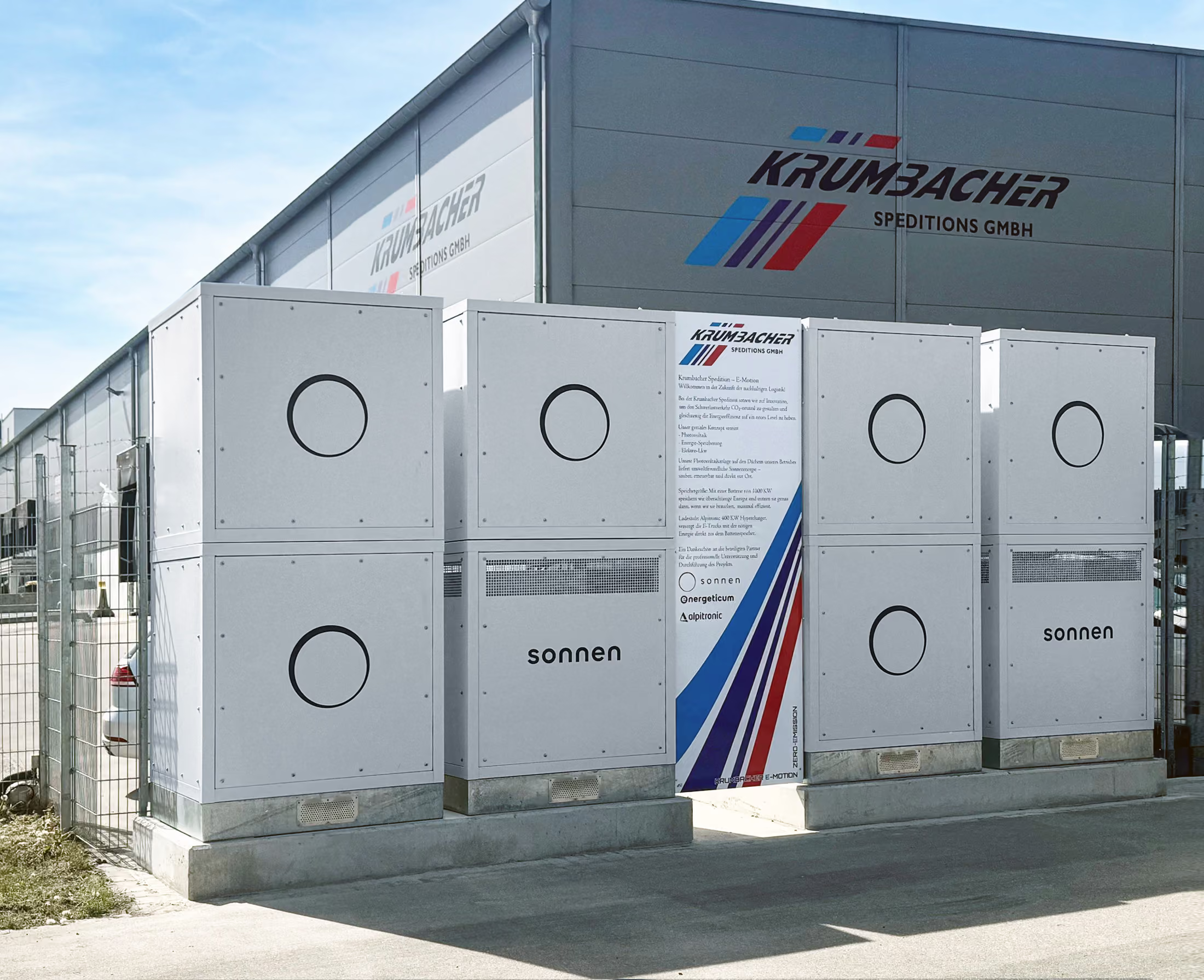
The solution is provided by sonnenPro FlexStack. Two storage blocks with approximately 1 MWh capacity and about 750 kW power provide the necessary charging power directly on site. This allows both e-trucks to be reliably charged overnight – without expanding the grid connection. After about four hours, the vehicles are fully ready for operation for the next day.
The system becomes particularly efficient when combined with the company's own PV system. While the trucks are on the road during the day, the PV system generates clean solar power and charges the commercial storage unit. In the evening, the energy is available exactly when it's needed: for charging the vehicles. If solar energy is insufficient, electricity from the grid is specifically supplemented.
This creates an intelligent energy system that optimally connects generation, storage, consumption, and charging infrastructure.
Economically scalable for the future
The concept is also economically compelling. The operating costs of electric trucks are significantly lower than those of comparable diesel vehicles. Despite higher acquisition costs and the investment in storage and charging infrastructure, the overall system is expected to pay for itself within six to eight years.
The successful launch has whetted the appetite for more: As early as April 2026, two more e-trucks were put into operation. By next year, the electric fleet is expected to grow to a total of twelve vehicles. At the same time, Krumbacher plans to expand the PV system and storage capacities. Within ten years, about half of the fleet is expected to be electric.
Everything from a single source
The project is supported by sonnen installation partner energeticum. Krumbacher thus receives all services from a single source: from consulting and project planning to PV and storage installation, energy management, charging station integration, and maintenance and service.
The result:
Krumbacher isn't waiting for a grid expansion to electrify its logistics – they're doing it today. With a scalable commercial storage solution that provides charging capacity, reduces energy costs, and paves the way for gradual fleet decarbonization.
.avif)